Understanding the Complexities of Jueteng in the Philippines
The Historical Context of Jueteng
Jueteng has been a significant aspect of the Philippine socio-cultural landscape for over a century. Originating from China, this numbers game found its way into Filipino culture during the colonial period. Despite its illegal status, jueteng persists as a popular activity, deeply ingrained in the daily lives of many Filipinos.LAWIN PLAY
How Jueteng Operates
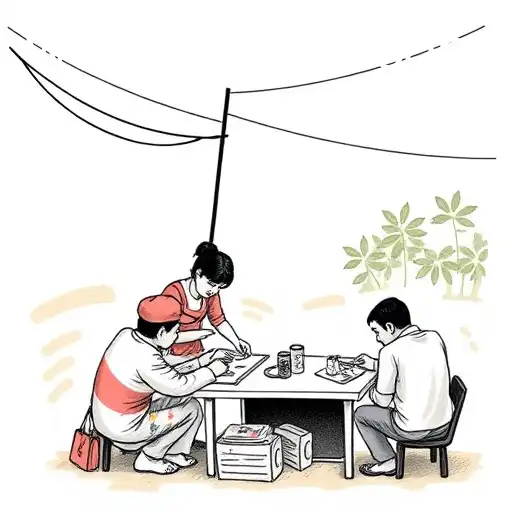
At its core, jueteng is a simple lottery game where players bet on combinations of numbers. Typically involving two-number combinations, players place small bets, often a few pesos, in the hopes of winning a substantial amount. The draw is usually held twice daily, run by a group known as kubrador, who collect bets and distribute winnings. The draw results are tightly controlled by the local cabal of operators, making it a community-centric game.TAPWIN
The Structure of Jueteng Operations
The jueteng operation relies on a hierarchical structure starting with the bettors, known as the bettors. They place their bets through kubradors who serve as the collectors and liaison between the operators and the participants. Above the kubradors are the ‘kabo’, who manage the collectors, and the ‘financier,’ who provides the capital needed to run the operations.
Economic Impact and Social Implications
Jueteng’s presence is a reflection of economic disparity in the country. For many, jueteng offers a means to escape poverty, even if just for a day. The low barrier to entry makes it accessible, allowing even the poorest to participate and hope for a financial windfall. While it creates economic activity at the grassroots level, critics argue that it perpetuates poverty by encouraging gambling addiction and societal dependency on luck rather than hard work and savings.
The Role of Jueteng in Local Economies
Despite being illegal, jueteng generates significant money flow within local economies. It creates informal jobs, provides income for thousands involved in its operations, and even supports local businesses indirectly as winnings are often spent on immediate community needs. In some areas, jueteng earnings are tacitly accepted as part of the local economy, sometimes funding public events or community projects.
Political Dynamics and Corruption
Jueteng intertwines deeply with the political sphere in the Philippines. Local and national politicians are often alleged to receive bribes from jueteng operators in exchange for protection or turning a blind eye. This creates a cycle of corruption where officials may prioritize personal gain over legal enforcement, undermining the rule of law.PH799
The Influence of Jueteng in Politics
The political clout of jueteng operators cannot be understated. During election periods, the money from jueteng can fuel campaign finances, with operators leveraging their influence over voters. Consequently, officials elected with jueteng backing may return the favor while in office, fostering an environment where jueteng continues unabated.
Legal Challenges and Enforcement
Efforts to curb jueteng have been met with limited success. Sporadic police raids and publicized crackdowns are often short-lived, failing to dismantle the deeply entrenched networks. Legal loopholes and the entrepreneurial spirit of operators allow them to adapt operations quickly, shifting venues, and methods to evade enforcement.AH99
Cultural Perception and Acceptance
Despite its illegal status, jueteng enjoys widespread social acceptance. For many communities, it is not just a game of chance but also a social activity that brings people together. The social fabric that jueteng weaves in communities often makes it seem more benign than other forms of gambling perceived as exploitative or dangerous. Cultural norms may view moderate participation in jueteng as an acceptable risk for potential rewards.
Future Directions and Potential Solutions
Addressing the jueteng problem requires a comprehensive approach that addresses the socio-economic factors underpinning its popularity. Legalizing and regulating the activity is one proposed solution, transforming it into a regulated lottery could ensure fair games and provide tax revenue for the government. However, such measures must be weighed against ethical considerations and potential social harm.
Community-Based Interventions
Community-level interventions focusing on education and alternative economic opportunities could provide sustainable solutions to reduce dependency on jueteng. Empowering communities with financial literacy and access to legitimate income opportunities might lessen the reliance on gambling as an economic lifeline.
In summary, jueteng's persistence in the Philippine societal framework is a multifaceted issue involving economics, culture, politics, and law enforcement. Only through cooperative and multifaceted strategies involving all stakeholders can any meaningful change be achieved.TG777